The Main Types of Software You Should Know

Software generally falls into three broad categories: system software, application software, and programming software.
Each category serves a different purpose, and knowing the difference gives you a solid foundation for understanding how computers actually function.
System Software
System software is the layer that sits between your hardware and everything else you use.
Your operating system, like Windows, macOS, or Linux, is the most familiar example. It manages your hardware resources and lets other programs run.
Application Software
Application software is what most people think of when they hear the word “software.”
These are the programs you actually use: word processors, browsers, email clients, photo editors, and mobile apps. They run on top of system software to help you complete specific tasks.
Programming Software
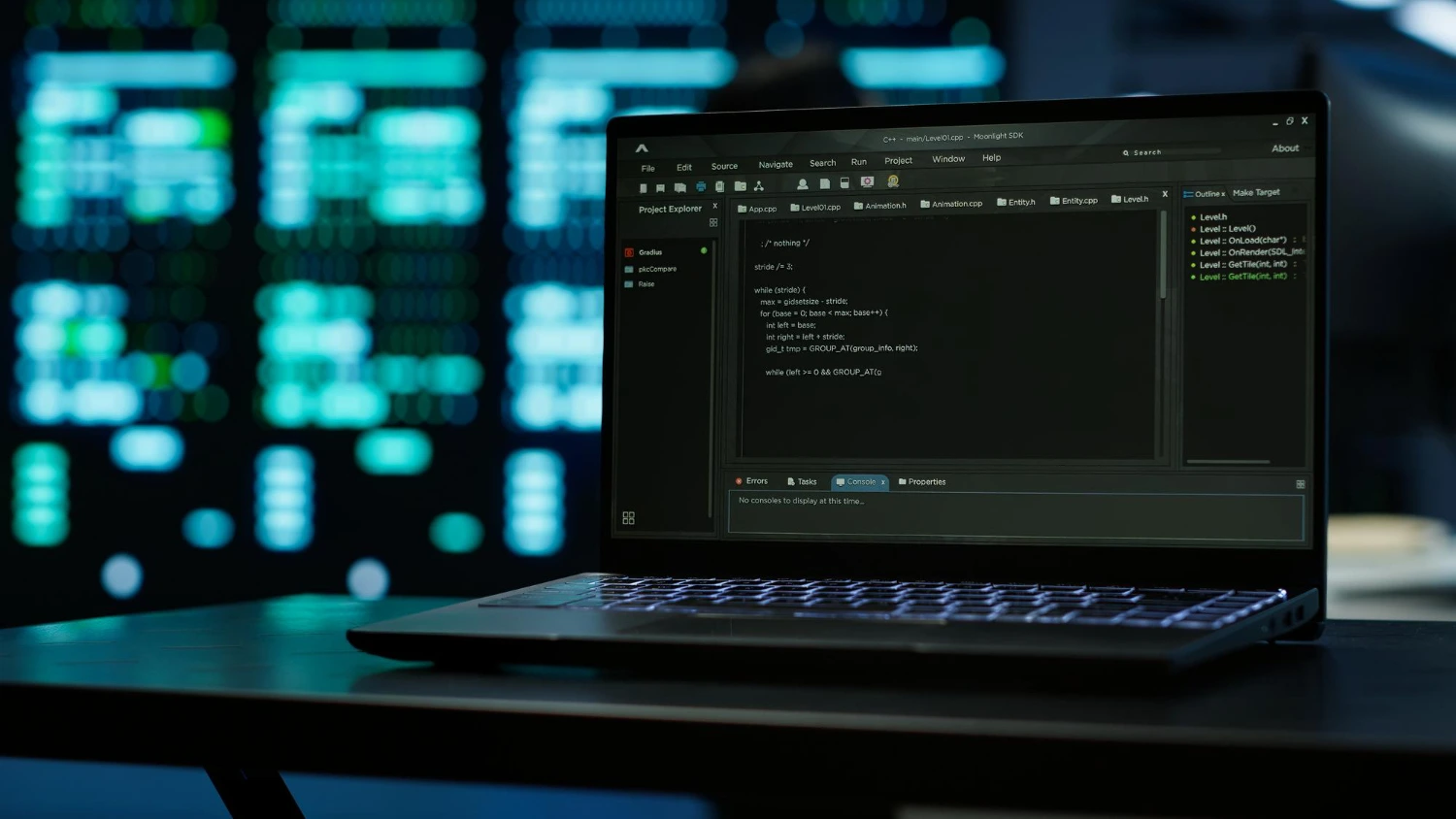
Programming software gives developers the tools they need to build other software.
This category includes compilers, debuggers, code editors, and integrated development environments (IDEs). Without programming software, most of the apps and systems you rely on would never exist.