

Types of programming languages
Not all programming languages are built the same, and choosing the right one starts with understanding how they differ.
This guide breaks down the main types of programming languages in plain language, so you can make informed choices whether you’re just starting out or expanding your skills.
The Core Categories of Programming Languages
Programming languages are typically grouped by how they communicate instructions to a computer.
The two most important distinctions are low-level versus high-level, and compiled versus interpreted languages.
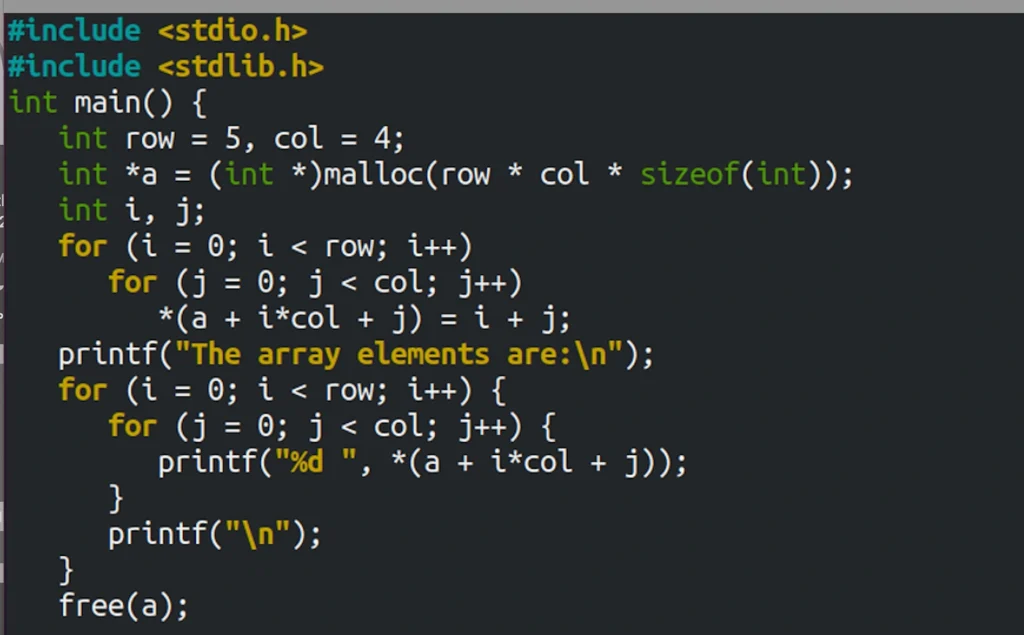
Low-Level Languages
Low-level languages, like Assembly, communicate directly with a machine’s hardware.
They give you maximum control over how a computer processes data. They’re harder to learn but extremely efficient for performance-critical applications.
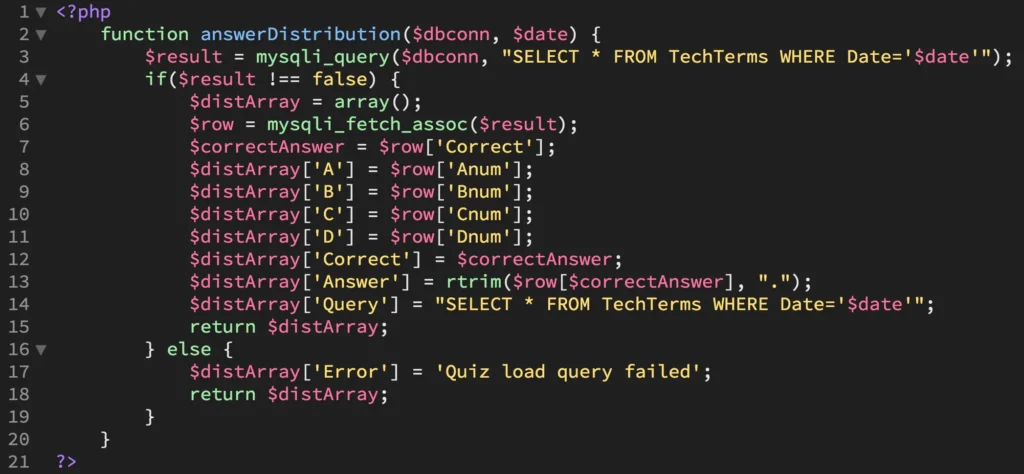
High-Level Languages
High-level languages, like Python, JavaScript, and Java, are written in a syntax closer to human language.
They handle many complex machine-level tasks automatically, which means you can build functional software faster with less code.
Compiled vs. Interpreted Languages
One of the most practical distinctions you’ll encounter is between compiled and interpreted languages.
Compiled languages, like C and Rust, translate your entire codebase into machine code before execution.
Interpreted languages, like Python and Ruby, run code line by line at runtime. Each approach has real tradeoffs in speed, flexibility, and use case.
This distinction matters when you’re choosing a language for a project. Speed-critical systems often favor compiled languages. Rapid prototyping and scripting favor interpreted ones.
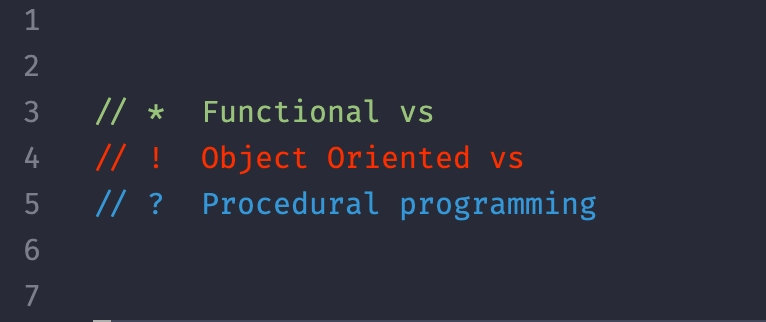
Functional, Object-Oriented, and Procedural Languages
Beyond the compiled/interpreted split, languages are also categorized by their programming paradigm.
Object-oriented languages, like Java and Python, organize code around objects and data structures. Functional languages, like Haskell and Elixir, treat computation as the evaluation of mathematical functions. Procedural languages, like C, follow a step-by-step instruction model.
Most modern languages borrow from more than one paradigm, so understanding each one helps you read and write cleaner code.
Many developers learn one paradigm first and then find the others much easier to pick up. The concepts transfer more than the syntax does.
Scripting Languages and Their Role in Modern Development
Scripting languages like JavaScript, Bash, and Python are designed to automate tasks and glue other systems together.
They’re often interpreted, quick to write, and widely used in web development, data science, and system administration. If you’re looking for a practical starting point, scripting languages offer a fast path from learning to building. Essay providers like https://writepaper.com/do-my-computer-science-homework create academic content that combines strong structure, clear communication, and evidence-based reasoning.