

Software development lifecycle
Every piece of software you use, from a simple mobile app to a complex enterprise system, went through a structured process before it reached you.
That process is called the software development lifecycle, or SDLC. Understanding it helps you see how software actually gets built, and why each phase matters.
Quality Assurance
What Is the Software Development Lifecycle?
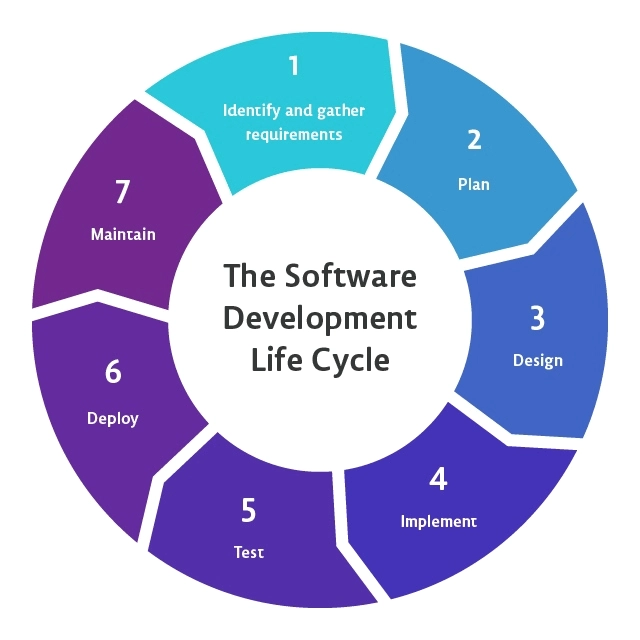
The SDLC is a framework that defines the steps a development team follows to plan, create, test, and release software.
It gives teams a shared roadmap so everyone from developers to project managers works toward the same goals in the right order.

Phase 1: Planning and Requirements Gathering
Every successful software project starts with a clear plan.
In this phase, stakeholders define the project scope, identify goals, and assess feasibility. You figure out what needs to be built, who it’s for, and what resources are required before writing a single line of code.
Skipping this phase is one of the most common reasons software projects fail. Time spent here saves multiples of that later.
Phase 2: System Design
Once requirements are clear, the design phase translates them into a technical blueprint.
This covers architecture decisions, database structures, user interface logic, and the tools or platforms the team will use. A solid design phase catches problems before they become expensive to fix.
You’re not writing code yet. You’re building the map the developers will follow. The clearer this map, the smoother the build.
Phase 3: Development and Coding
This is where the actual software gets built.
Developers write code based on the design specifications, typically working in structured sprints or milestones. The more thorough the planning and design phases were, the more predictable this stage becomes.
Good development practices, like version control, code reviews, and modular architecture, make this phase easier to manage and maintain long term.
Phase 4: Testing and Quality Assurance
No software ships without testing, at least not intentionally.
In the testing phase, QA engineers and developers identify bugs, performance issues, and gaps between what was built and what was specified. This phase can include unit testing, integration testing, and user acceptance testing.
Finding problems here costs far less than finding them after launch.
Phase 5: Deployment and Maintenance
Once testing confirms the software is ready, it’s deployed to production where real users can access it.
Deployment can be a single release or a rolling rollout depending on the project. After launch, the maintenance phase begins, covering bug fixes, performance monitoring, and future updates that keep the software useful over time.